Back Country Visitors Cautioned About Snow Conditions

The New York State Department of Environmental Conservation (DEC) today warned Adirondack back country visitors to be aware of the danger of avalanches and take necessary precautions. Snows have accumulated to sufficient depths on Adirondack Mountain slopes to create conditions conducive to avalanches.
While avalanche danger increases during and immediately after major snowfalls, as well as during thaws, avalanches can occur in any situation where snow, slope and weather conditions combine to create the proper conditions.
The majority of avalanches in the United States occur in the western mountains. However, avalanches do occur in New York and can have dire consequences.
DEC reminds back country winter recreationists to take the following precautions when traveling in avalanche prone terrain:
- know avalanche rescue techniques;
- practice safe route finding;
- carry safety equipment (transceiver, probe, shovel);
- never travel alone;
- know the terrain, weather and snow conditions; and
- inform someone where you plan to go and when you expect to return.
Information on avalanche danger and safety precautions is available on the DEC website. A brochure titled “DEC Avalanche Preparedness in the Adirondacks Brochure” (231 kb pdf) is available for download or by contacting the DEC Region 5 office at (518) 897-1200.
Skiers and snowshoers are reminded that the Avalanche Pass Slide is closed to public recreation of any type during the winter.
Current general trail information, seasonal conditions, specific notices on closures and facilities can be found on the DEC website at: Adirondack Trail Information.

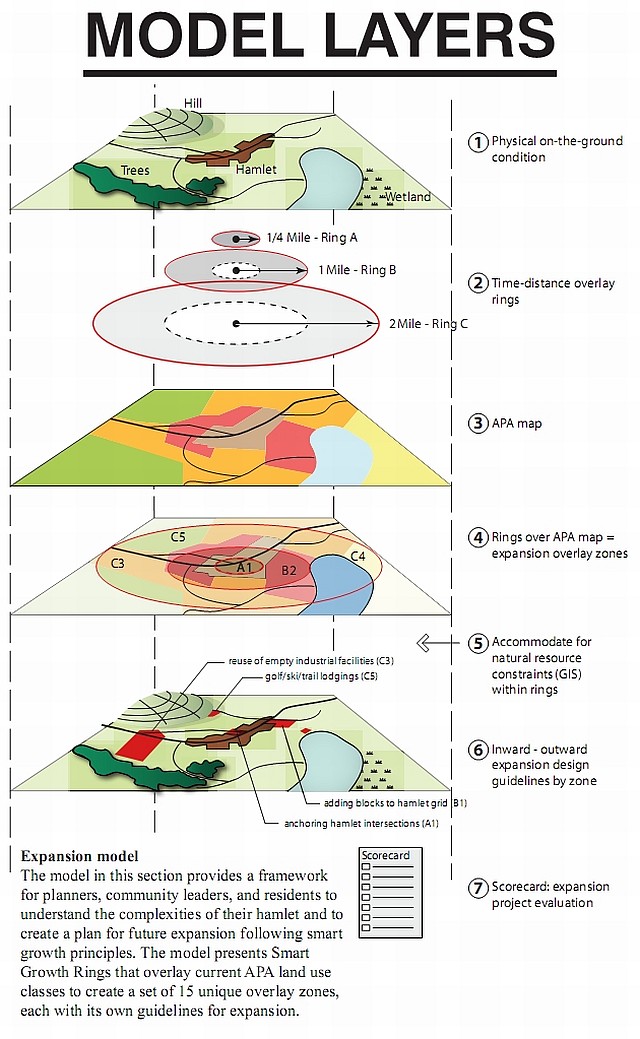 Check out the fieldwork done on Elizabethtown, Old Forge, and Star Lake. I’m liking almost everything, except the recommendation to keep the train. That kind of ruins it a little for me.